Most behavior problems in indoor cats — scratching the sofa, 3 a.m. zoomies, peeing outside the box, nagging for food — come back to the same thing: a flat, predictable space with nothing to do. The fix is rarely more room. It's using the room you have the way a cat actually sees it.
1. Build Upward, Not Outward
Cats measure territory in height. A sofa, a bookshelf and a windowsill are three "floors" to a cat, and being able to get above the action is how they feel safe — especially in a home with kids, dogs or visitors. If your cat spends the day under the bed, it usually means there's nowhere high enough to go instead.
The simplest way to add floors is a tall cat tree with at least one enclosed condo and a perch above human head height. In a small apartment, put it in the room you use most (cats want to watch you, not be exiled), ideally beside a window. Look for a wide, heavy base: a tree that wobbles when your cat lands on it will get used once and ignored forever. Our pick for most apartments is the FEANDREA 67-inch multi-level tree, which packs condos, perches and sisal posts into a footprint of under two square feet.
No room for a tree? Wall shelves do the same job with zero floor space. We cover layouts in our cat wall shelf guide.
2. Give Them a Window — Safely
A window is free television for a cat. Birds, traffic, people and weather give an indoor cat the kind of low-effort stimulation that keeps boredom (and the destructive behavior that comes with it) in check. A suction-cup window perch turns any window into a sunny observation deck without furniture under it; choose one rated well above your cat's weight and re-press the cups every few weeks.
Two safety rules: never leave a window open without a secure screen (vets call falls from height "high-rise syndrome," and it's common in cities), and if the view includes a busy bird feeder, expect some frustrated chattering — that's normal.
3. Put the Scratching Post Where the Damage Is
Scratching isn't bad behavior; it's how cats stretch, mark territory and shed old claw sheaths. You can't stop it, but you can redirect it. The post needs to be tall enough for a full stretch (around 30 inches or more for an adult cat), sturdy enough not to tip, and placed right next to whatever they're scratching now — not hidden in a spare room. Sisal rope is the surface most cats prefer over carpet. Once your cat is using the post, you can move it a few inches a day to where you actually want it.
4. Fix the Litter Box Before It Becomes a Problem
House-soiling is the number one reason cats are surrendered to shelters, and in apartments it's almost always a setup problem, not a cat problem. The rules that matter:
- One box per cat, plus one. Even a single cat does better with two boxes in different spots.
- Big and uncovered beats small and hidden. A box should be about 1.5 times your cat's length. Most commercial boxes are too small; a large storage tub with a cut-down entrance works.
- Location: quiet, easy to reach, and never next to food or water.
- Scoop daily, unscented litter. Cats consistently prefer unscented clumping litter in preference studies; the perfume is for humans.
If daily scooping is the part that fails in your household, a self-cleaning box removes the failure point. The PetSafe ScoopFree rakes waste into a covered tray automatically and uses crystal litter that holds odor for weeks — a real advantage in a one-room apartment where the box is never far from the sofa. Some cats dislike the crystal texture, so introduce it alongside the old box rather than swapping overnight.
5. Move the Water Away From the Food
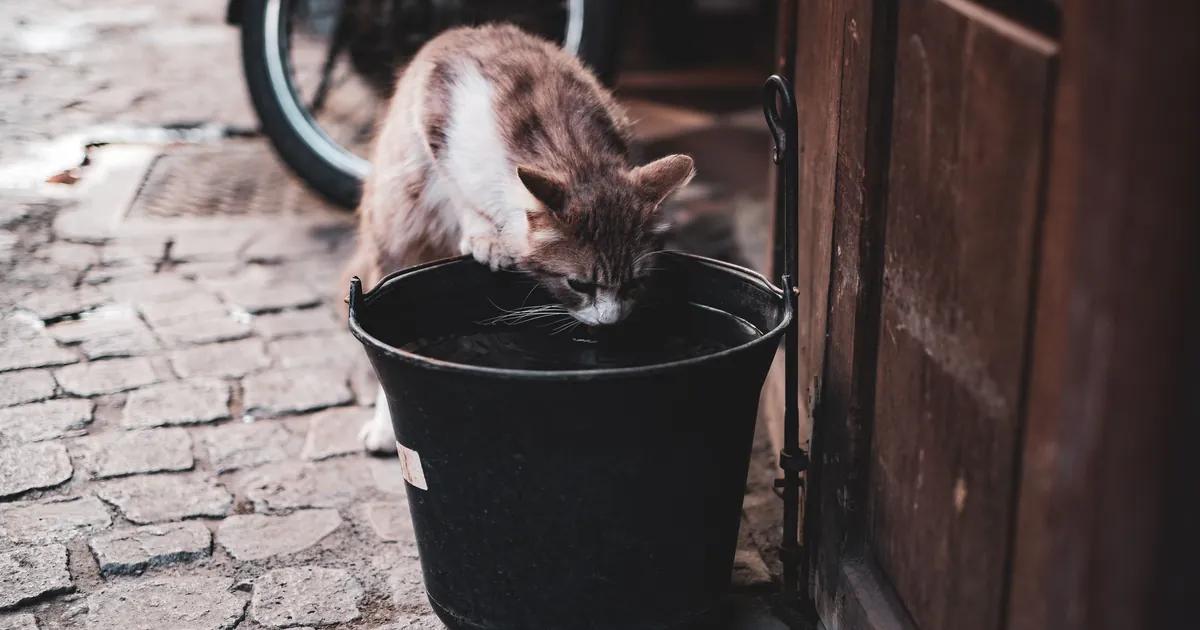
Cats are desert animals with a weak thirst drive, and indoor cats on dry food are chronically on the dry side, which is linked to urinary problems. Two cheap changes help: put water bowls in several places away from the food and the litter box (cats instinctively avoid drinking near either), and use wide, shallow bowls so their whiskers don't touch the sides. Many cats also drink noticeably more from moving water; the Catit Flower Fountain is quiet enough for a studio and easy to clean. We go deeper in our guide on getting an indoor cat to drink more water.
6. Make Them Work for Food
Roughly six in ten U.S. cats are overweight according to Association for Pet Obesity Prevention surveys, and indoor cats are the most at risk: unlimited kibble and nothing to hunt. Instead of a full bowl, split the daily amount into several small meals and make at least one of them an activity. A lick mat spread with wet food turns a 30-second meal into ten calm minutes, and puzzle feeders or scattering kibble across a room add a bit of hunting to the day. It also stops the dawn food-nagging, because meals are no longer tied to you waking up.
7. Two Play Sessions a Day, Then Food
The single most effective fix for night-time zoomies is a 10–15 minute wand-toy session in the evening that ends with a meal — hunt, catch, eat, groom, sleep. That's the sequence cats are built for. Keep wand toys put away between sessions so they stay exciting, and rotate the toys that live on the floor weekly. For ideas, see our roundup of interactive toys for bored indoor cats.
A Realistic Weekend Setup
- Tall cat tree or shelves beside the most-used window.
- Window perch in a second room if you have one.
- Sisal post next to the furniture currently being scratched.
- Two large litter boxes in two quiet spots, unscented litter.
- Water in two places away from food; a fountain if your cat ignores bowls.
- Meals split up, one of them on a lick mat or puzzle feeder.
- Evening play session before dinner, every day.
None of this needs a bigger apartment. It needs a cat's-eye view of the one you have.