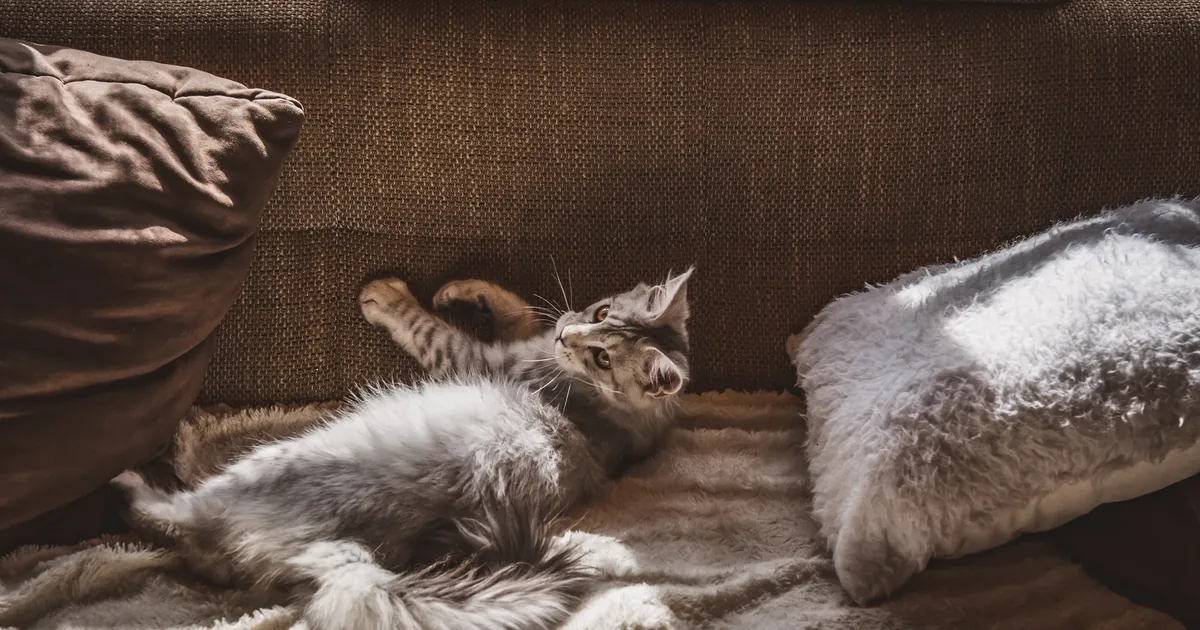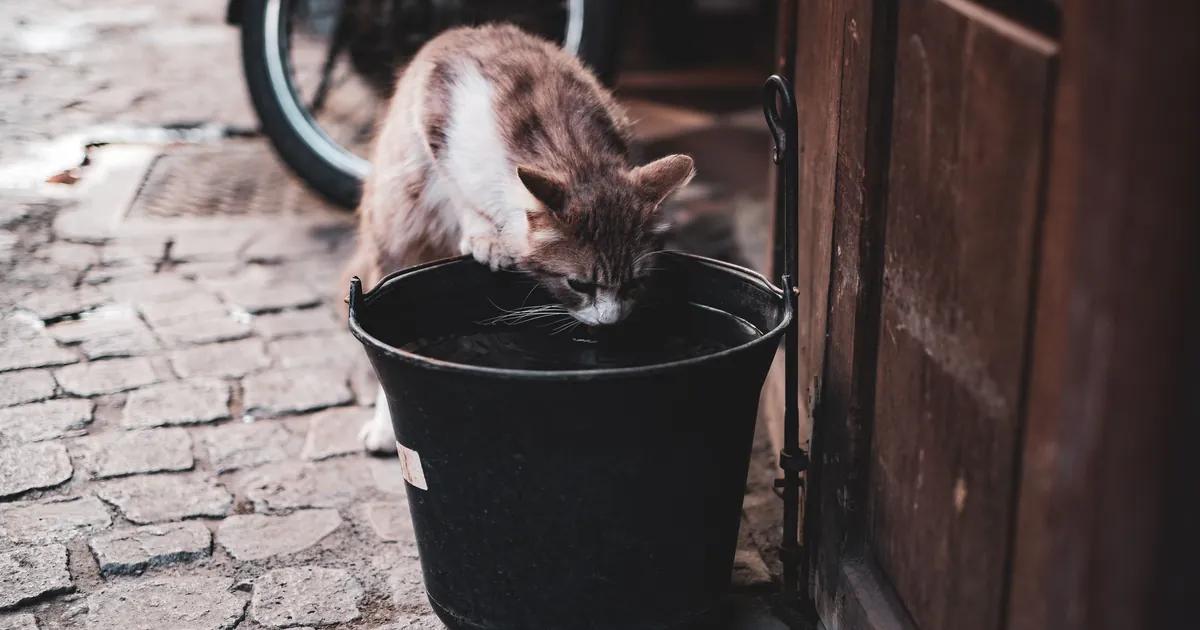
If you've never seen your cat drink, you're not alone. Cats descend from desert hunters that got most of their water from prey, and they still have a weak thirst drive. That worked when dinner was a mouse (about 70% water). It works badly when dinner is kibble (about 10% water) and the only bowl in the house sits next to the food. The result is an indoor cat that's chronically a little dehydrated — and that's the background to some of the most common feline health problems.
Why It Matters
Low water intake means concentrated urine, and concentrated urine is the setting for crystals, stones and the painful bladder inflammation vets group under feline lower urinary tract disease (FLUTD). Increasing water intake is one of the first things a vet will recommend for a cat with urinary issues, and for male cats a blocked urethra is a life-threatening emergency. Better hydration also helps with constipation, which is common in older indoor cats.
How Much Should a Cat Drink?
A rough guide is about 4 ounces of water per 5 pounds of body weight per day — around a cup for a 10-pound cat — including the water in food. That's the key: a cat on wet food may drink very little from the bowl and still be fine, while a cat on dry food needs to drink most of that cup and usually doesn't.
Signs Your Cat Isn't Getting Enough
- Skin tent: gently lift the skin between the shoulder blades; it should snap back immediately. If it sinks slowly, that's dehydration.
- Tacky or dry gums instead of slick and wet.
- Small, hard, infrequent stools or straining in the box.
- Very small clumps of dark yellow urine in the litter.
- Lethargy, sunken eyes, loss of appetite — these are later signs and mean a vet visit, not a new bowl.
The opposite problem is just as important: if your cat suddenly starts drinking a lot more, that's a classic early sign of kidney disease, diabetes or an overactive thyroid. Don't treat increased thirst as good news — get it checked.
8 Fixes, From Free to Worth Buying
1. Move the water away from the food
Cats instinctively avoid drinking next to where they eat (in the wild, water near a carcass is contaminated). Put water bowls in a different spot from the food — and never next to the litter box. This one change often doubles drinking on its own.
2. Add more bowls, in more rooms
Two or three water stations around the apartment mean your cat passes water more often. Cats drink opportunistically: if it's there, they'll have a lap on the way past.
3. Use wide, shallow bowls
Many cats dislike their whiskers touching the sides of a deep bowl ("whisker fatigue" is debated, but the preference is real). A wide ceramic or stainless steel dish, filled to the brim, gets used more than a narrow plastic one. Plastic also holds odors and scratches, which cats notice.
4. Keep it clean and fresh
Wash bowls daily — biofilm builds up fast and cats can taste it. If your cat drinks from the tap, the shower floor or your glass, they're telling you the bowl water isn't fresh enough.
5. Try a fountain
Moving water reads as "fresh" to a cat, and many cats that ignore bowls will drink from a stream. Studies on fountains are mixed overall, but the owners whose cats take to one tend to see a big difference, so it's worth a try, especially for a cat already on dry food. The Catit Flower Fountain is our pick for apartments: three flow settings, a triple-action filter, and quiet enough to live in a bedroom. Whatever you buy, clean it weekly and change the filter on schedule; a dirty fountain is worse than a clean bowl.
6. Switch some meals to wet food
This is the fix with the most evidence behind it. Canned food is around 75–80% water, so a cat eating mostly wet food is hydrated before it drinks anything. If a full switch is too expensive, one wet meal a day still helps. Our wet vs. dry food comparison covers the trade-offs.
7. Add water to the food
A tablespoon or two of water stirred into wet food, or a splash over kibble just before serving, is free hydration. Most cats accept it; some prefer it slightly warm. A lick mat is a good way to serve watered-down wet food: the cat works at it slowly instead of leaving a soupy bowl.
8. Flavor the water (carefully)
A few ice cubes, a little low-sodium chicken broth with no onion or garlic (both are toxic to cats), or the water from a can of tuna in water can tempt a reluctant drinker. Keep flavored water as an extra, not a replacement, and throw it out after a few hours.
What Doesn't Work
Milk (most adult cats are lactose intolerant), "hydration" treats with sugar, and forcing water with a syringe. If your cat is dehydrated enough that you're considering a syringe, it needs a vet, who can give subcutaneous fluids safely.
A Simple Routine
- Water in two or three spots, none of them beside the food or litter.
- Wide bowls, washed daily; or a fountain, cleaned weekly.
- At least one wet meal a day, with a spoon of water stirred in.
- Once a week, check the skin tent and the size of the urine clumps.
- Any sudden change in drinking, up or down, gets a vet appointment.
For the rest of the apartment — litter box placement, vertical space, feeding — see our indoor cat apartment setup guide.